
When your car won’t start on a chilly winter morning or after a long day at work, the culprit is often a dead car battery. If you’re based in Lonoke, AR, or anywhere with fluctuating weather, knowing when your battery needs replacing can save you from unnecessary hassle.
In this guide, you’ll learn the signs of a failing battery, how to test it, and when it’s time for a replacement.
Understanding Your Car Battery’s Role
Your car battery is the powerhouse that gets your vehicle moving. It provides the electrical current necessary to start the engine and powers various electronic components in your car. Imagine, after a long day of work, you want nothing more than to get home quickly, but a weak battery keeps you stuck in the parking lot. This scenario underscores why understanding and maintaining your battery is crucial.
Functions of a Car Battery
A car battery does more than just start your car. It stabilizes voltage to keep your engine running smoothly and supports systems like lights, radio, and air conditioning. For example, if you’re driving at night and your headlights are dim, it can be risky, especially on rural roads around Lonoke. A strong battery ensures your visibility and safety.
Battery Lifespan and Factors Affecting It
On average, a car battery lasts between three to five years. However, factors like extreme temperatures, frequent short trips, and poor maintenance can significantly reduce its lifespan. In hot climates, evaporation of battery fluid can damage the internal components, while in cold climates, batteries can freeze, making them less efficient. Regular maintenance and understanding these impacts can help prolong your battery’s life.
Common Symptoms of a Failing Battery
Recognizing the early signs of a dying battery can prevent you from getting stranded. Here are some telltale indicators:
Slow Engine Crank
When you turn the ignition key, your engine should start without hesitation. A slow crank is a primary sign that your battery is losing its charge. Picture yourself in a rush for an early morning meeting, only to hear the sluggish groan of an engine struggling to start. Addressing this early can save you from stressful mornings.
Electrical Issues
If your headlights seem dimmer or your power windows are sluggish, it might be due to a weakening battery. Consider the inconvenience of struggling to roll up a window during a sudden downpour because of a weak battery. Addressing these signs promptly can prevent more significant electrical failures.
Dashboard Warning Light
Most modern cars have a battery warning light on the dashboard. If it lights up, it’s time to pay attention. This light is your car’s way of alerting you to potential issues that could lead to a breakdown if ignored.
Testing Your Car Battery
Testing your car battery is a straightforward process you can do at home or with a professional. Regular testing can help you catch issues before they escalate and avoid the costs associated with emergency roadside assistance or tows.
Using a Multimeter
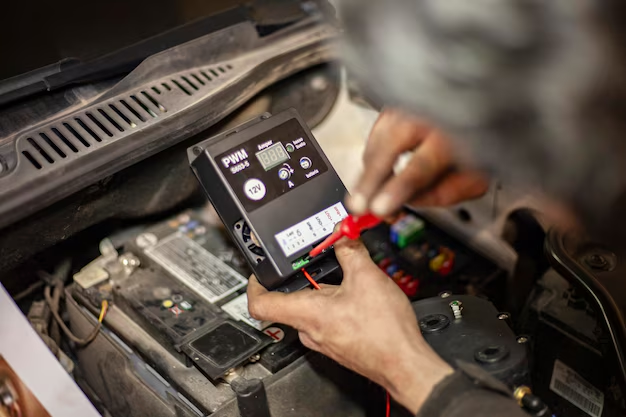
A multimeter is a handy tool for checking your battery’s voltage. A healthy battery should read around 12.6 volts or more. Anything below that indicates a need for further inspection. Investing in a multimeter can save you from costly diagnostic fees at a repair shop.
Conducting a Load Test
A load test can assess your battery’s ability to hold voltage under a load. This test can be performed at auto repair shops like Boomer’s in Lonoke, AR, ensuring accuracy.
Seasonal Considerations for Battery Health
Weather plays a crucial role in your battery’s performance. Understanding seasonal impacts can help you maintain its longevity and avoid the inconvenience of a sudden battery failure.
Effects of Cold Weather
Cold temperatures slow down the chemical reactions in your battery, reducing its capacity. Lonoke winters can be harsh, so consider testing your battery before the cold sets in. Using a battery blanket or parking your car in a garage can mitigate these effects.
Summer Heat and Battery Life
Heat can cause battery fluid to evaporate, damaging the internal structure. Ensuring proper ventilation and regular checks during summer can prevent unexpected failures. Simple actions like parking in the shade or using a car cover can help maintain your battery’s health.
When to Replace Your Car Battery
Knowing when it’s time for a new battery can save you from unexpected breakdowns. Here are the key considerations:
Age of the Battery
If your battery is more than three years old, keep a close eye on its performance. Regular testing can help you decide when it’s time for a replacement, preventing the costs and inconvenience of a mid-journey breakdown.
Frequent Jump Starts
If you find yourself jump-starting your car more than usual, it’s a clear sign your battery is on its last legs. Frequent jump starts can also strain your car’s electrical system, leading to more expensive repairs.
Corrosion and Physical Damage
Inspect your battery for corrosion on terminals or any visible damage. These are signs that it’s time for a replacement. Regular cleaning of battery terminals with a mixture of baking soda and water can prevent corrosion and extend battery life.
Choosing the Right Replacement Battery
Selecting the right battery is crucial for your car’s performance. Here’s how you can make an informed choice:
Battery Size and Type
Ensure the replacement battery matches your car’s specifications in size, type, and capacity. Check your owner’s manual or consult with experts at Boomer’s for advice. Installing the wrong battery can lead to poor performance and even damage to your car’s electrical system.
Brand and Warranty
Opt for reputable brands that offer a good warranty. A longer warranty often indicates better quality and reliability, potentially saving you from early replacement costs.

Maintaining Your New Car Battery
Once you’ve replaced your battery, proper maintenance can enhance its lifespan and performance.
Regular Cleaning
Keep battery terminals clean and free of corrosion. You can use a mixture of baking soda and water for effective cleaning. This simple practice can prevent power loss and prolong battery life.
Routine Checks
Perform regular voltage checks and inspections for physical damage. This proactive approach can prevent unexpected failures and costly repairs. Consider setting a quarterly reminder to check your battery’s health.
For those in Lonoke, AR, staying ahead of battery issues can mean the difference between a smooth drive and being stuck in your driveway. If you notice any signs of a failing battery, don’t wait until it’s too late. Visit Boomer’s for a professional assessment and get back on the road with confidence!