7 Mistakes You’re Making with Your Brake Maintenance (and How to Fix Them)

You’re driving down Highway 31, heading back into Lonoke after a long day. The light at the intersection turns yellow, and as you press the brake pedal, you hear it: a high-pitched squeal that sets your teeth on edge. Or maybe it’s a subtle vibration that feels like the steering wheel is trying to shake itself loose. Most of us rely on our brakes every single day without a second thought, but they are easily the most critical safety system on your vehicle. At Boomer’s Performance, we’ve spent over 20 years seeing exactly how Lonoke drivers handle their maintenance. While modern braking systems are incredibly resilient, we often see the same seven mistakes that turn a simple $150 service into a $1,500 nightmare. If you want to keep your family safe and your repair bills low, it’s time to stop making these common brake maintenance blunders. 1. Ignoring the “Early Warning” Squeal We’ve all seen that car at the grocery store parking lot: the one that sounds like a banshee every time it stops. Many drivers assume that if the car is still stopping, the noise is just a “nuisance.” In reality, most brake pads are designed with a small metal tab called a wear indicator. When the friction material gets dangerously thin, this tab scrapes against the rotor to create that piercing squeal. It is literally your car’s way of screaming for help. The Fix: Don’t wait for the noise to go away; it won’t. If you hear squealing, chirping, or grinding, it’s time for a professional inspection. Catching it early usually means you only need new pads. If you wait until you hear a “grinding” sound (metal-on-metal), you’re looking at replacing the rotors too. You can learn more about these signs in our guide on when to get your brakes checked. 2. Delaying Pad Replacement Until the Rotors are Damaged This is perhaps the most expensive mistake Lonoke drivers make. Brake pads are “sacrificial” parts: they are meant to wear down so your expensive metal rotors don’t have to. When you push your pads past their limit, the metal backing plate of the pad begins to gouge deep grooves into the rotor. This is called “scoring.” Once a rotor is scored or warped from excessive heat, it can rarely be “turned” or resurfaced safely. The Fix: Check your pad thickness every time you have your tires rotated. If the friction material is less than 3mm (about the thickness of two pennies), it’s time to swap them. At Boomer’s Performance, our dealership-certified technicians check these levels during every routine service to ensure you aren’t caught off guard. 3. Buying the Cheapest Brake Pads Available We get it: budgeting for car repairs isn’t fun. It’s tempting to hop online or go to a big-box parts store and buy the $20 “economy” pads. However, there is a massive difference in quality between bargain-bin pads and high-quality ceramic or semi-metallic options. Cheap pads often: Produce excessive black dust that ruins your wheels. Wear out twice as fast. Lack the proper shims and hardware, leading to constant clicking and rattling. Have lower heat resistance, which can lead to “brake fade” when you’re stopping a heavy truck or SUV. The Fix: Invest in high-quality parts. We use components that meet or exceed OEM standards because we believe in doing the job right the first time. For military personnel in our community, remember that we offer a 10% military discount to help make those high-quality repairs more affordable. 4. Forgetting the Brake Fluid Flush Most people know they need to change their oil, but very few realize that brake fluid has a shelf life too. Brake fluid is “hygroscopic,” which is a fancy way of saying it absorbs moisture from the air over time. In the humid Arkansas climate, this moisture builds up in your brake lines. Water in your brake fluid causes two major problems: Corrosion: It eats away at the internal seals of your master cylinder and calipers. Boiling: Under heavy braking, the water in the fluid can boil, creating air bubbles. Since air compresses and liquid doesn’t, your pedal will feel “spongy,” and you may lose stopping power entirely. The Fix: Most manufacturers recommend a brake fluid flush every two to three years. If your fluid looks like dark coffee instead of light honey, it’s past its prime. This is a key part of any preventative maintenance routine. 5. Replacing Parts on Only One Side We occasionally have customers ask if we can just change the “one pad that’s squealing” on the front left. While it might save a few dollars today, it’s a recipe for disaster. Braking needs to be perfectly balanced across the axle. If one side has brand-new, thick pads and the other has worn, thin pads, your car will pull to one side when you hit the brakes. This can cause you to lose control in an emergency swerve on a slick road. The Fix: Always replace brake components in pairs (both fronts or both rears). This ensures even pressure, even wear, and predictable handling. 6. DIY Mistakes: Lack of Lubrication and Cleaning Many Lonoke residents are handy with a wrench, and we respect the DIY spirit. However, modern braking systems require more than just “slapping on new pads.” A common mistake is failing to clean the hub surface or neglecting to lubricate the caliper slide pins. If those pins are dry or corroded, the caliper won’t slide back and forth freely. This causes the pads to stay pressed against the rotor even when your foot is off the pedal, leading to overheating, “glazing,” and premature wear. The Fix: Proper brake service involves cleaning the rust off the hub, using specialized high-temp brake grease on the slide pins, and ensuring all clips are seated correctly. If you aren’t comfortable with the intricacies of caliper service, it’s safer to let a professional handle it. 7. Ignoring the ABS or Brake Warning Light Your dashboard isn’t just a light
Beat the Arkansas Heat: Why Your Newer Car’s A/C Repair Isn’t a DIY Job

We’ve all been there. You walk out of the grocery store in Lonoke, the humidity is thick enough to chew on, and the heat index is pushing triple digits. You hop into your car, crank the air conditioning to “Max AC,” and wait for that glorious blast of arctic air. But instead of an ice-cold breeze, you get a lukewarm puff that feels like someone is blowing through a straw. It’s frustrating, it’s uncomfortable, and if you’re driving a newer vehicle, it’s a problem that requires a lot more than a quick trip to the parts store for a “recharge kit.” For years, the go-to move for many vehicle owners was to grab a can of refrigerant, hook it up to a port, and hope for the best. However, if your car was built in the last several years, the rules of the game have changed completely. Between new environmental regulations and highly sensitive technology, A/C repair in Lonoke AR has evolved. At Boomer’s Performance, we’ve seen the aftermath of well-intentioned DIY attempts that turned a simple fix into a multi-thousand-dollar disaster. Here is why your modern climate control system needs a professional touch. The Shift to R-1234yf: Why It Matters to You If you’ve bought a car recently, there’s a high chance it uses a refrigerant called R-1234yf. This isn’t just a fancy name; it’s a completely different chemical compound than the R-134a that dominated the industry for decades. The reason for the switch is simple: the old stuff was tough on the environment. The new R-1234yf breaks down much faster in the atmosphere, making it a “greener” choice. But here’s the catch for drivers in Lonoke: R-1234yf is significantly more expensive and much more temperamental. While the older refrigerant was relatively stable, the new stuff is classified as “mildly flammable.” This means the equipment used to service it has to be spark-proof and specifically designed to handle those properties. When you see a specialized mechanic Lonoke AR like our team at Boomer’s Performance working on these systems, we aren’t just using standard tools. We are using specialized, dealership-grade machines that ensure the refrigerant is handled safely and recovered without escaping into the garage or your face. Why “Adding a Can” Doesn’t Work Anymore The biggest mistake we see around Lonoke is the “top-off” mentality. In the old days, you could often get away with adding a little bit of gas to a system that was slightly low. With modern A/C systems, that approach is a recipe for a “black death” compressor failure. Modern cars are designed with incredibly tight tolerances. They don’t just need “some” refrigerant; they need an exact weight: often measured down to the tenth of an ounce. A DIY can with a cheap plastic gauge on top is notoriously inaccurate. If you overcharge the system by even a tiny amount, you put immense pressure on the compressor. In these newer systems, that extra pressure can cause the compressor to literally tear itself apart internally, sending metal shards throughout your entire A/C system. Once that happens, you aren’t just looking at a recharge; you’re looking at replacing the compressor, the condenser, the evaporator, and all the lines. Precision Diagnostics vs. Guesswork When you bring your vehicle to us for A/C repair Lonoke AR, we don’t start by just adding gas. We start with a diagnostic process that looks at the “why.” Refrigerant isn’t like oil or gasoline; it isn’t “consumed” by the car. It’s a sealed loop. If the level is low, it means there is a leak. Adding more refrigerant to a leaking system is like trying to fill a bucket with a hole in the bottom. Not only are you wasting expensive R-1234yf, but you’re also allowing moisture and air to enter the system. When moisture meets refrigerant, it creates an acidic sludge that eats your A/C system from the inside out. Our team uses professional-grade leak detectors and vacuum pumps to ensure the system is bone-dry and air-tight before a single drop of new refrigerant goes in. The Hidden Danger of Stop-Leak Additives Many of those “A/C in a can” products sold at big-box retailers contain “stop-leak” additives. To a DIYer, this sounds like a great deal: it fixes the leak and cools the car, right? Wrong. Those sealants are designed to harden when they come into contact with moisture or air. While they might temporarily plug a tiny pinhole in a hose, they also tend to clog the expansion valves and the tiny passages in your condenser. Even worse, if those sealants get into a professional A/C machine, they can ruin a piece of equipment worth $10,000 or more. This is why many shops will actually test your refrigerant for purity before they even hook up their machines. If your system is contaminated with “stop-leak,” the repair becomes significantly more complicated and expensive. Dealership Quality Without the Dealership Headache At Boomer’s Performance, we bring a unique perspective to auto repair Lonoke AR. Our technicians are factory-trained and dealership-certified, with years of experience at Chevrolet, Audi, and Kia dealerships. We’ve seen the most complex climate control systems on the market, from dual-zone luxury setups to high-performance cooling systems. We know that a modern A/C system isn’t just about the compressor and the gas. It’s a network of sensors, computers, and blend doors. Sometimes, the reason your air isn’t cold has nothing to do with the refrigerant level: it could be a failed cabin air sensor, a stuck actuator, or a software glitch in the climate control module. Because we have the same high-level diagnostic tools found at the big dealerships, we can pinpoint the exact failure without “throwing parts” at the problem. This saves you money and gets you back on the road faster. Keeping Lonoke Drivers Cool and Informed We’ve been a part of the Lonoke community for over 20 years, and we’ve built our reputation on honesty and transparency. We know that car repairs can be stressful, especially when it
Beat the Arkansas Heat: A No-Nonsense Guide to Keeping Your A/C Ice Cold

We’ve all been there. You walk out of the grocery store in Lonoke, the humidity is sitting at a cool 90%, and the sun is beating down so hard you can practically see the heat waves shimmering off the asphalt. You hop into your car, desperate for that blast of Arctic air, only to be met with a lukewarm breeze that feels more like a hairdryer than an air conditioner. In Arkansas, a working A/C isn’t just a luxury; it’s a survival tool for the summer months. When the temperature climbs into the triple digits, your vehicle’s cooling system is under immense pressure. At Boomer’s Performance, we’ve seen everything from simple clogs to catastrophic compressor failures, and most of the time, a little bit of knowledge and preventative maintenance could have saved the driver from a very sweaty commute. Why Arkansas Heat is Hard on Your Car’s A/C It isn’t just the raw temperature that makes our summers so brutal: it’s the humidity. Your car’s air conditioning system has two main jobs: it has to lower the air temperature and it has to remove moisture from the cabin. When it’s humid out, your A/C system has to work twice as hard. It spends a massive amount of energy pulling that heavy water vapor out of the air before it can even start dropping the temperature. This is why you’ll often see a steady drip of water under your car after you park; that’s all the humidity your system successfully extracted. If your system is even slightly low on refrigerant or has a dirty component, this extra workload is usually what pushes it over the edge into total failure. The Science of the “Heat Load” Engineers design A/C systems to handle a specific “heat load.” In milder climates, the system cycles on and off comfortably. In Lonoke, however, your system often runs at 100% capacity just to keep the cabin at a bearable 72 degrees. Over time, this constant maximum effort wears out the compressor clutch, puts strain on the drive belts, and can even cause the cooling fans to fail prematurely. Signs Your A/C is Struggling Most people don’t think about their air conditioning until it stops working entirely. However, your car usually tries to tell you there’s a problem long before the air turns warm. Being proactive can mean the difference between a quick top-off and a full system replacement. Weak Airflow: If you feel like you have to turn the fan to the highest setting just to feel a breeze, you might have a clogged cabin air filter or a failing blower motor. The “Gym Bag” Smell: A musty, moldy odor coming from the vents usually means moisture is trapped in the evaporator core, leading to mold growth. Strange Noises: If you hear a high-pitched squeal when you turn the A/C on, your serpentine belt might be slipping. A grinding or clicking sound usually points toward a compressor that’s on its last legs. Intermittent Cooling: If the air starts cold but gets warm after twenty minutes of driving, your system might be “freezing up” due to moisture in the lines or a faulty pressure switch. If you notice any of these symptoms, searching for A/C repair in Lonoke AR sooner rather than later can save you a lot of headache and money. Pro Tips for Maximum Cooling While we’re always here to help with professional repairs, there are several things you can do as a driver to help your system perform its best during a heatwave. The Window Roll-Down Trick When your car has been sitting in the sun, the interior temperature can easily reach 140 degrees. Your A/C system will take forever to cool that trapped air. Instead, start your car, roll down all the windows, and drive for about a block. This forces the superheated air out and replaces it with outside air (which, even at 95 degrees, is much cooler than 140). Once the “oven air” is gone, roll the windows up and let the A/C take over. Recirculate vs. Fresh Air When you first start the car, use the “Fresh Air” setting. This pulls in outside air to help flush the cabin. Once the air coming out of the vents feels cool, switch to “Recirculate.” This tells the system to stop pulling in hot, humid Arkansas air and instead keep cooling the air that’s already inside the cabin. It’s much easier for the system to turn 75-degree air into 50-degree air than it is to start with 100-degree air every single time. Don’t Ignore the Cabin Air Filter The cabin air filter is often the most neglected part of a vehicle. It’s responsible for catching dust, pollen, and debris before the air enters your cabin. In our area, with all the pollen and dust from local farms, these filters can get clogged fast. A clogged filter restricts airflow, making your A/C feel weak and causing the system to overwork itself. Why DIY “Freon” Cans are a Gamble We see it every summer: a customer comes in with a completely seized compressor because they tried to “fix” a cooling issue with a DIY recharge kit from a big-box store. Modern A/C systems are incredibly sensitive. They require a very specific amount of refrigerant: often measured down to the ounce. If you use a DIY can with a cheap plastic gauge, it’s very easy to overcharge the system. Too much refrigerant can actually cause the system to stop cooling entirely, or worse, it can “slug” the compressor, leading to a repair bill that costs ten times what a professional auto repair near me would have cost. Furthermore, many of those cans contain “leak sealer.” While it sounds like a good idea, that sealer can gum up the internal valves and the expansion tube, effectively ruining the entire system from the inside out. If your A/C is low on refrigerant, it’s because there is a leak. Adding more gas without fixing the leak is just a
Do You Really Need a Transmission Rebuild? Here’s the Truth for Lonoke Drivers
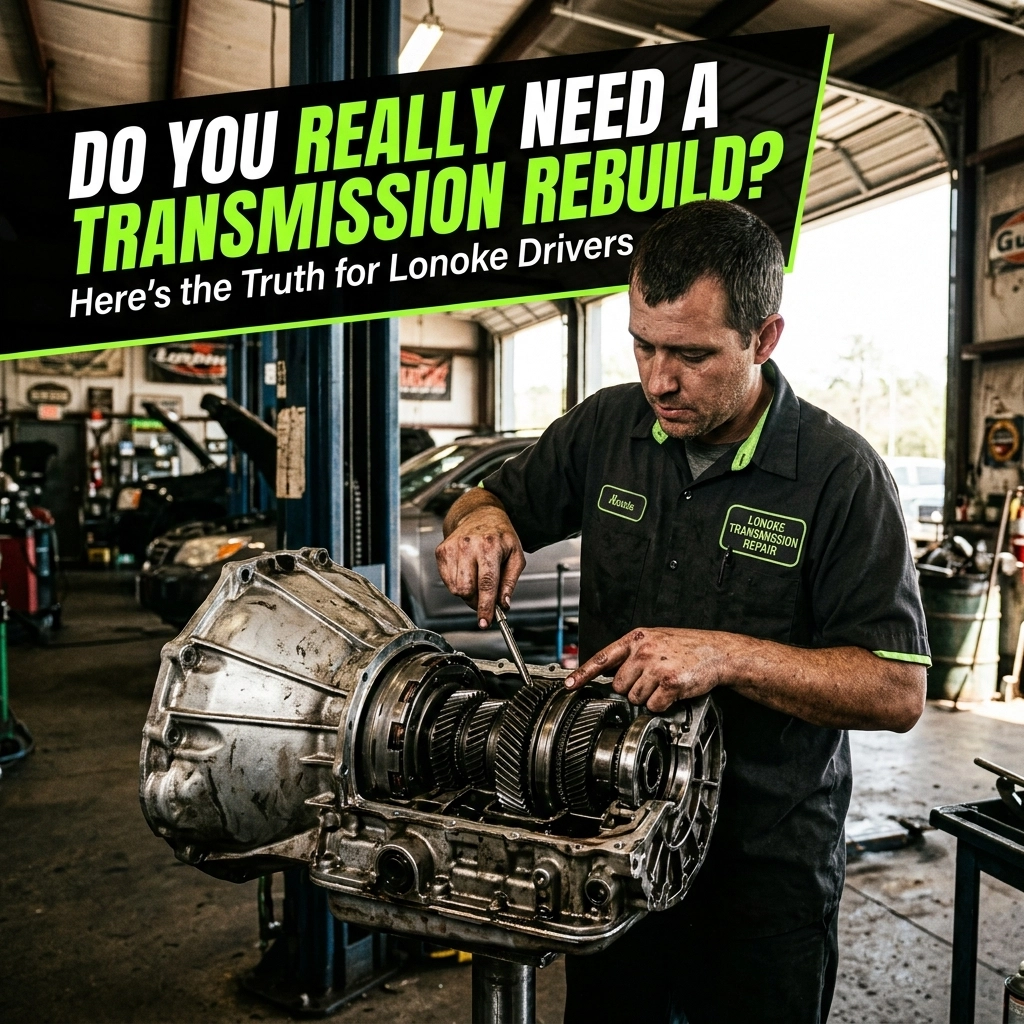
You’re driving down Highway 70, heading home toward Lonoke, when it happens. You step on the gas to pass a slower vehicle, but instead of the usual smooth surge of power, your engine revs high while the car hesitates. A second later, there’s a noticeable thud as the gear finally catches. Your heart sinks. You’ve heard the horror stories about transmission failures. You start picturing dollar signs and weeks without a vehicle. For many Lonoke drivers, the immediate fear is that the entire transmission is “blown” and requires a massive, expensive overhaul. But here is the honest truth: not every transmission glitch requires a full rebuild. At Boomer’s Performance, we’ve spent over 20 years helping our neighbors navigate these mechanical crossroads. As a trusted mechanic in Lonoke, AR, we believe in transparency over high-pressure sales. In this guide, we’ll break down what a transmission rebuild actually is, how to tell if you truly need one, and when a simpler, more affordable auto repair in Lonoke, AR, might be the better solution. What Exactly Is a Transmission Rebuild? Before deciding if you need one, it helps to understand what happens during the process. A transmission rebuild (also known as “re-conditioning” or “overhauling”) is a labor-intensive service where the transmission is completely removed from the vehicle and disassembled. Our dealership-certified technicians inspect every single part: every gear, every clutch, every seal, and every gasket. Parts that are worn or damaged are replaced with brand-new components. We then clean the entire internal system and reassemble it to the manufacturer’s original specifications. The goal is to give you a transmission that functions like new without the staggering cost of a completely brand-new factory unit. However, because it involves significant labor and specialized expertise, it is still a major investment in your vehicle’s longevity. The “Check Engine” Panic: Why Diagnostics Come First One of the most common reasons drivers come to us fearing the worst is the appearance of the “Check Engine” or “Transmission Service” light. While these lights can indicate serious internal failure, they often point to something much simpler. Modern transmissions are highly electronic. Sometimes, a “slipping” sensation isn’t caused by broken gears, but by a faulty sensor or a damaged wiring harness. If a solenoid (an electronic component that controls fluid flow) fails, your transmission might struggle to shift, making it feel like the whole unit is dying. Before we ever suggest a transmission rebuild in Lonoke, AR, we perform a deep-dive diagnostic. We look for: Diagnostic Trouble Codes (DTCs): What is the computer actually reporting? Fluid Quality: Is the fluid burnt, or is it just old? External Leaks: Is the problem just a lack of hydraulic pressure due to a leaking seal? If the issue is an external sensor or a simple fluid leak, we’ll tell you. Our 20+ years of experience have taught us that honesty is the best way to build a lasting relationship with our community. If your car just needs a minor fix, that’s exactly what we’ll recommend. You can learn more about interpreting those dashboard warnings in our post on what your check engine light could mean. 5 Warning Signs Your Transmission is Truly Failing While we always hope for a simple fix, there are certain “red flag” symptoms that usually point toward internal damage. If you notice these while driving around Lonoke, it’s time to bring your vehicle in for a professional look: Persistent Slipping: You’re driving at a steady speed, and the engine suddenly races as if you’ve shifted into neutral, even though you haven’t touched the shifter. Grinding or Shaking: In an automatic transmission, you might feel a jarring vibration when the car shifts. In a manual, you might hear a distinct grinding sound when changing gears. The Smell of “Burning Toast”: Transmission fluid has a very specific, slightly sweet smell. When it overheats and begins to burn, it takes on a acrid, “burnt toast” aroma. This is a sign that the fluid is no longer lubricating the parts correctly, leading to massive friction and heat. Delayed Engagement: You shift from Park into Drive, and there’s a long pause: sometimes two or three seconds: before the transmission “engages” and the car moves. Heavy Leaking: If you see a bright red or dark brown puddle under your car in the driveway, that’s your transmission’s lifeblood escaping. Without fluid, a rebuild becomes inevitable very quickly. Rebuild vs. Replacement: Which is Better for You? If the diagnosis confirms that the internal components are damaged, you generally have two choices: rebuild what you have or replace it with a different unit. For many Lonoke truck owners, this is a frequent question. A rebuild is often more cost-effective because you aren’t paying for a “core” (the metal casing of the transmission). It also ensures that any known factory defects can be addressed with upgraded parts during the reassembly process. However, if the internal damage is catastrophic: meaning the metal housing itself is cracked or the gears have essentially “grenaded” inside: a replacement might be the only path forward. We’ve actually written a detailed comparison on transmission rebuild vs. replacement to help you weigh the pros and cons for your specific vehicle. The Boomer’s Performance Difference: Honesty in Lonoke At Boomer’s Performance, we know that your vehicle is more than just a way to get from point A to point B. It’s how you get to work, how you drop the kids off at Lonoke High School, and how you keep your life moving. We pride ourselves on being dealership-certified without the dealership prices or the “big city” pressure. When you bring your vehicle to us, you’re getting: Experience: Over two decades of hands-on expertise in complex transmission and engine systems. Transparency: We provide clear explanations of what’s wrong. We won’t recommend a rebuild if a preventative maintenance service or a minor repair will solve the issue safely. Community Focus: We live and work right here in Lonoke. Our reputation is built on the word-of-mouth of our neighbors.
Transmission Rebuild Lonoke AR Vs. Replacement: Which Is Better For Your Truck?
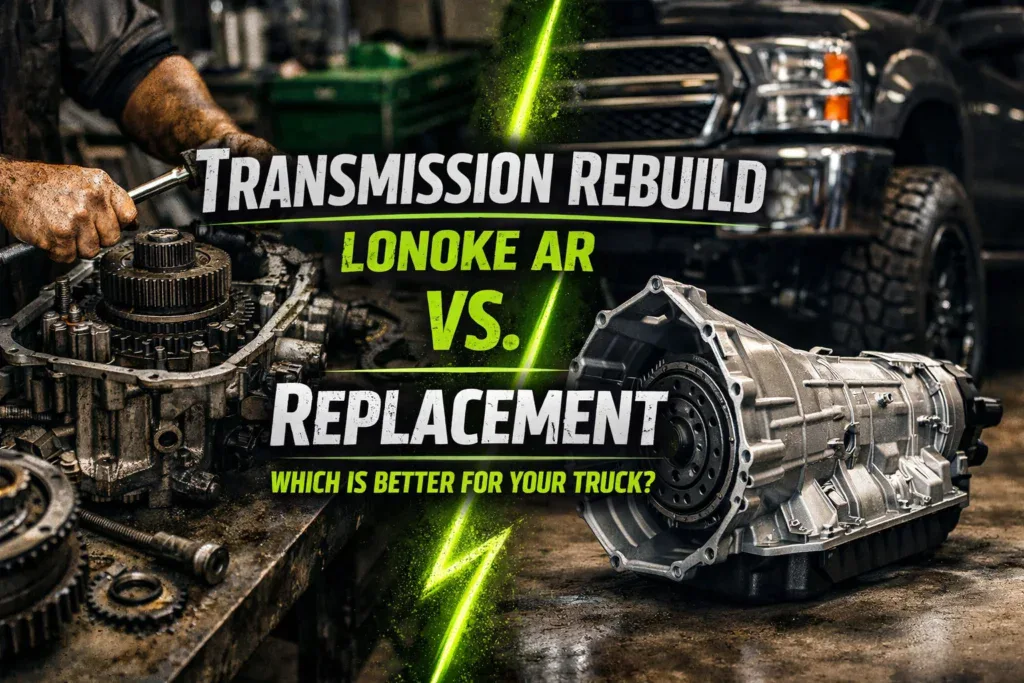
You’re driving down Highway 31, heading out of Lonoke for a long day of work, when you feel it: that unmistakable, sinking sensation. Your engine revs, but your truck doesn’t accelerate. Then comes the “clunk.” A hard shift that jolts the cabin. You pull over, the smell of burnt toast wafting from under the hood, and your heart sinks. You know it’s the transmission. For truck owners in Lonoke, AR, the transmission is the heart of the vehicle’s capability. Whether you’re hauling a trailer, heading to the job site, or just navigating the daily commute, a failing transmission isn’t just an inconvenience; it’s a threat to your livelihood and your safety. The big question immediately follows the diagnosis: Should you rebuild it or replace it? At Boomer’s Performance, we understand the weight of this decision. With over 20 years of experience and a team of factory-trained, dealership-certified technicians, we’ve helped thousands of Arkansas drivers navigate this exact crossroads. Choosing the right path involves balancing cost, reliability, and how much longer you plan to keep your truck on the road. Understanding the “Expert-Neighbor” Approach to Diagnostics Before we dive into the rebuild vs. replacement debate, it’s important to know how we get there. At Boomer’s Performance, we believe in transparency. When you bring your vehicle to a mechanic in Lonoke, AR, the first step isn’t a quote: it’s a deep-dive diagnostic. Modern trucks are complex machines. Sometimes, what feels like a total transmission failure is actually a faulty sensor, a software glitch, or a simple fluid leak. We utilize dealership-level diagnostic tools to ensure we aren’t recommending a multi-thousand-dollar overhaul when a minor auto repair in Lonoke, AR would suffice. However, when the internal components: the clutches, gears, and torque converter: have reached the end of their lifespan, you are faced with the two primary options. Option 1: The Transmission Rebuild A transmission rebuild, often called “overhauling,” is essentially major surgery for your vehicle’s gearbox. What Happens During a Rebuild? During a transmission rebuild in Lonoke, AR, our technicians pull the unit from your truck and disassemble it completely. Every part is cleaned and inspected. We replace the “soft” parts that naturally wear out: clutches, seals, gaskets, and bands. We also replace any “hard” parts that show signs of damage, such as specific gears or the oil pump. The Pros of Rebuilding: Cost-Effective: Generally, a rebuild is less expensive than buying a brand-new or fully remanufactured unit because you are only paying for the parts that are actually broken, plus the labor to laboriously refresh the rest. Localized Solution: If your transmission failed due to a very specific, known weakness in that model, we can often install “corrective” parts during the rebuild to ensure that specific issue doesn’t happen again. Keeping the Original Parts: For some specialized or older trucks, keeping the original “numbers-matching” transmission is important for the vehicle’s integrity. The Cons of Rebuilding: Time-Consuming: This is a labor-intensive process. Your truck will be on the lift longer than it would be for a simple swap. The “Weakest Link” Risk: While we replace everything that looks worn, a rebuild is only as good as the inspection. If a hairline fracture in a metal housing is missed, the unit could fail again. Research shows that cut-rate rebuilds often fail within 20,000 miles if underlying issues like valve body wear aren’t addressed. Option 2: Transmission Replacement Replacement involves removing your old transmission and installing a different one. This is usually a “remanufactured” unit. Remanufactured vs. Used At Boomer’s Performance, we rarely recommend “used” transmissions from a salvage yard. You’re essentially buying someone else’s problem. We focus on remanufactured units. These are transmissions that have been sent back to a factory, completely gutted, machined to original specifications, and updated with all the latest engineering improvements. The Pros of Replacement: Unmatched Reliability: A remanufactured transmission is essentially a “zero-mile” unit. It has been dyno-tested before it ever reaches our shop. Superior Warranty: Because these units are backed by large manufacturers, they often come with 3-year/100,000-mile warranties that are honored nationwide. Speed: Swapping a transmission is much faster than taking one apart and putting it back together. If you need your truck back on the road yesterday, this is the way to go. The Cons of Replacement: Higher Upfront Cost: You are paying for a complete unit and the specialized shipping involved. Potential Overkill: If your transmission only had a minor internal failure, replacing the whole thing might feel like buying a new house because the kitchen sink is leaking. Which is Better for Your Truck? The “better” choice is subjective, but here is how we help our customers at Boomer’s Performance decide: Choose a Rebuild if: You are on a tighter budget: If you need to save 20-40% on the total bill and the damage is localized. You drive moderately: If you don’t tow heavy loads and just need the truck for local Lonoke errands. You plan to sell the truck soon: A rebuild provides a working vehicle for the next owner without the massive investment of a new unit. Choose Replacement if: You tow or haul heavy loads: If your truck is a workhorse, you need the peace of mind that comes with a factory-tested unit. You plan to keep the truck for 5+ years: The cost-per-mile of a remanufactured unit is often lower in the long run. You want the best warranty: If you travel outside of Lonoke or across state lines, a nationwide warranty is a lifesaver. Why Trust Boomer’s Performance? We know there are plenty of choices when looking for a mechanic in Lonoke, AR. However, transmission work is not the place to look for the “cheapest” bid. It is one of the most technical repairs an auto shop can perform. 20+ Years of Excellence: We didn’t just start doing this yesterday. Our deep roots in the community mean our reputation is on the line with every turn of the wrench. Certified Expertise: Our technicians are factory-trained and dealership-certified.
A/C Blowing Warm Air? Recharge vs Leak Repair vs Compressor (How to Tell Fast)
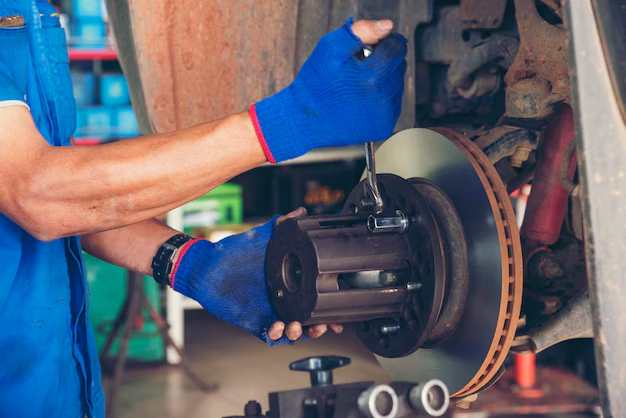
Nothing kills a summer drive faster than turning on your car’s A/C and feeling a blast of warm air. If your vehicle is not delivering that icy-cold relief, it can turn a simple commute into a sweat-soaked slog. But before you panic and assume the worst, it helps to understand the common causes of car A/C problems and how to distinguish between a quick recharge, a leak repair, or a failing compressor. Knowing what’s going on can save time, money, and unnecessary stress. At Boomer’s Performance & Offroad in Lonoke, AR, we specialize in A/C repair and provide clear guidance so our customers can make informed decisions. Here’s a practical guide to diagnosing A/C issues, understanding your options, and knowing when it’s time to call a professional. Why Your Car A/C Might Be Blowing Warm Air Several factors can lead to a car’s A/C not blowing cold. Some issues are simple and inexpensive to fix, while others require more extensive work. Understanding the potential causes is the first step in troubleshooting. Low Refrigerant Levels Refrigerant, whether R134a or the newer R1234yf, is the lifeblood of your A/C system. It absorbs heat from inside the cabin and transfers it outside. If the refrigerant level is low, your system loses cooling efficiency, and the air coming from the vents will feel warm. Low levels often indicate a small leak, even if it’s not obvious. Refrigerant Leaks Leaks are a common culprit for car A/C blowing warm air. A refrigerant leak test can detect even the smallest leak in hoses, fittings, or the condenser. Left unchecked, leaks will not only reduce cooling but also potentially damage the compressor, leading to more costly repairs. Faulty Compressor The A/C compressor is the heart of your system. It pressurizes and circulates refrigerant through the system. If the compressor is failing, you might hear strange noises, notice inconsistent cooling, or feel that the A/C only works intermittently. Compressor issues are more complex and usually require professional replacement. Other Causes Other reasons your A/C might be underperforming include a malfunctioning expansion valve, clogged condenser, or electrical issues like a blown fuse or faulty relay. While these are less common, a trained technician can quickly identify them during a comprehensive inspection. Recharge vs Leak Repair: How to Know What You Need When your car A/C is not blowing cold, the first question is whether your system simply needs a recharge or if there’s an underlying leak that must be addressed. Signs You Might Just Need a Recharge Air is weak but not completely warm Your system hasn’t been serviced in a few years No visible signs of refrigerant oil residue around connections or hoses If these signs fit your situation, an A/C recharge can restore cooling. A professional will safely remove any remaining old refrigerant, vacuum the system to remove air and moisture, then refill it to factory-specified levels. At Boomer’s Performance & Offroad, our A/C recharge services use the correct refrigerant type for your vehicle, whether R134a or R1234yf. Signs You Likely Need Leak Repair System loses cooling shortly after a recent recharge Oil stains or residue around A/C components Hissing sounds or bubbles detected during a refrigerant leak test Leak repair is critical because topping off refrigerant without addressing leaks is only a temporary fix. Technicians will locate the source, repair or replace damaged components, and then recharge the system. This ensures your A/C works efficiently for the long term and prevents potential compressor damage. Combining Recharge and Leak Repair In many cases, a refrigerant leak repair is followed by a recharge. This dual approach guarantees that your system is fully functional and that the refrigerant circulates properly without loss. Doing both ensures maximum comfort and avoids repeated trips to the shop. Identifying A/C Compressor Symptoms Early Even if your system has the correct refrigerant level and no leaks, a failing compressor can prevent your A/C from cooling effectively. Knowing the symptoms can help you act before damage spreads. Common Compressor Symptoms Loud or unusual noises when the A/C is on Clutch not engaging or spinning inconsistently Air blows intermittently or only warms up during certain driving conditions Frequent system cycling on and off If you notice any of these warning signs, it’s time to have a professional inspect the compressor. Ignoring these symptoms can lead to full compressor failure, which is a far more expensive repair than a simple recharge or leak fix. Why Professional Diagnosis Matters A trained technician can determine if your compressor is truly failing or if symptoms are caused by low refrigerant, electrical issues, or other component failures. At Boomer’s Performance & Offroad, we combine factory-level knowledge with hands-on experience to quickly diagnose problems and recommend the most effective solution. Quick Tips to Check Your A/C Before Visiting a Shop While professional inspection is always the safest route, there are a few things car owners can check to narrow down the problem: Listen for unusual noises: A squealing or grinding sound when the A/C is on may indicate compressor issues. Inspect for leaks: Look for oily residue around hoses, fittings, or the condenser. Check airflow: Weak airflow can suggest a clogged cabin filter, failing blower, or low refrigerant. Test system cycling: Turn on the A/C at different temperatures and speeds to see if cooling is consistent. These checks won’t replace a professional diagnosis but can help you describe the issue more accurately when seeking A/C repair near me. Choosing the Right Refrigerant: R1234yf vs R134a Modern vehicles use different types of refrigerants. R134a has been the standard for many years, but newer vehicles now use R1234yf, which is more environmentally friendly and has lower global warming potential. Using the wrong type can damage your system or reduce efficiency. Always let a certified technician handle refrigerant selection and system service. How to Avoid Future A/C Problems Preventing A/C issues starts with regular maintenance. Here are a few tips: Schedule routine inspections: Annual checks help detect leaks or low refrigerant before cooling fails.
Brake Repair 101: When to Get Them Checked or Replaced
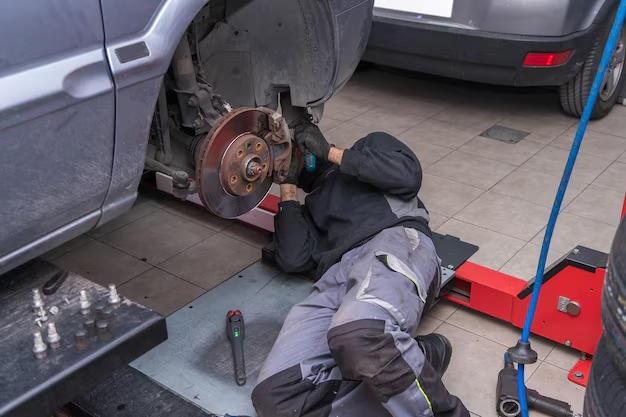
Owning a car is a blend of freedom and responsibility. While the open road calls, maintenance is an essential part of the journey. One of the most crucial aspects of vehicle maintenance is brake repair, especially if you’re navigating the roads of Lonoke, AR. This guide will help you understand when to get your brakes checked or replaced, ensuring safety and peace of mind. Understanding Your Braking System Before diving into brake repair, it’s essential to understand the components that make up your braking system. Familiarity with these parts will help you recognize when something isn’t right. The Basics of Brakes Most vehicles use disc brakes, which consist of a brake rotor, caliper, and pads. When you press the brake pedal, the caliper squeezes the brake pads against the rotor, creating friction that slows down your car. Drum brakes, found in some vehicles, operate similarly but use a drum instead of a rotor. The friction created in this process generates a significant amount of heat. Over time, this heat can cause wear and tear on the brake components. For instance, a family living in a hilly area of Lonoke might find themselves replacing brake components more frequently due to the increased braking required on steep roads. Common Brake Components – Brake Pads: These are the components that press against the rotor or drum to slow the vehicle. They are made of various materials, including ceramic, metallic, and organic compounds, each with its own durability and heat resistance characteristics. – Rotors and Drums: These are the surfaces that the brake pads press against. They can warp under extreme heat, leading to a need for replacement. – Brake Calipers: These house the brake pads and use hydraulic pressure to squeeze them against the rotor. They can seize up if not properly maintained, leading to uneven braking. – Brake Lines and Hoses: These carry brake fluid, enabling the hydraulic pressure that powers the braking system. A leak here can lead to brake failure, a serious safety concern. Signs You Need a Brake Inspection Recognizing the signs of brake wear early can prevent costly repairs and ensure your safety on the road. Here are some indicators that you might need a brake inspection. Squeaky Brakes One of the most common signs that you need a brake inspection is squeaky brakes. This noise often results from worn brake pads. If you hear a high-pitched squeal, it’s time to have a professional check your brakes. For instance, a commuter who travels daily on busy highways might notice this sound during stop-and-go traffic. Reduced Responsiveness If your brakes feel less responsive or you notice the pedal going further to the floor than usual, you might have a brake fluid leak or a problem with the brake lines. Immediate inspection is crucial in such cases. The cost to fix a brake fluid leak can range from $100 to $300, depending on the severity and the mechanic’s rates in your area. Vibrations When Braking Feeling vibrations or pulsations in the brake pedal could indicate warped rotors. This issue often arises from heavy braking or worn brake pads. Imagine you’re driving down a long stretch of road and need to make a sudden stop—such scenarios can lead to rotor warping over time. When to Replace Your Brakes While regular inspections can catch minor issues, there are times when replacement is necessary. Knowing when to replace your brakes is key to maintaining your vehicle’s performance. Thickness of Brake Pads One of the simplest ways to determine if you need new brake pads is by checking their thickness. If the pads are less than a quarter of an inch thick, it’s time for a replacement. This is an easy check that you can perform at home with a simple visual inspection or a ruler. Warning Lights Many modern cars have sensors that trigger a dashboard warning light when your brakes need attention. If this light comes on, schedule a brake repair in Lonoke, AR, at Boomer’s Auto Care. This proactive approach can save you from more expensive repairs down the line. Unusual Noises Grinding noises often indicate that the brake pads are completely worn out, allowing metal to grind on metal. This situation requires immediate replacement to prevent further damage. The cost of ignoring this can be substantial, as metal-on-metal contact can damage the rotors. Seasonal Tips for Brake Maintenance Different seasons can affect your braking system in various ways. Here are some tips to keep your brakes in top condition year-round. Winter Considerations Cold weather can cause brake fluid to thicken, reducing its efficiency. Ensure your brake fluid is in good condition and consider having it replaced if it’s old. Also, road salt used for de-icing can corrode brake components, especially in areas like Lonoke that occasionally experience freezing temperatures. Regular cleaning and inspection can help prevent corrosion. Summer Check-Ups The heat of summer can lead to brake fading, where the brakes lose effectiveness due to overheating. Regular check-ups during the hotter months can prevent this issue. In addition, the expansion of brake components in extreme heat can exacerbate existing problems, so timely inspections are crucial. The Importance of Regular Brake Maintenance Regular maintenance not only extends the life of your brakes but also ensures your safety. Here’s why you should make brake maintenance a priority. Safety First Properly maintained brakes can mean the difference between a close call and an accident. Regular inspections can catch issues before they become dangerous. For example, a routine inspection might reveal a small leak in the brake line that could lead to brake failure if left unaddressed. How Boomer’s Auto Care Can Help At Boomer’s Auto Care in Lonoke, AR, we understand the importance of reliable brakes. Our team is dedicated to providing thorough inspections and expert brake
Benefits of Preventative Maintenance for Your Vehicle
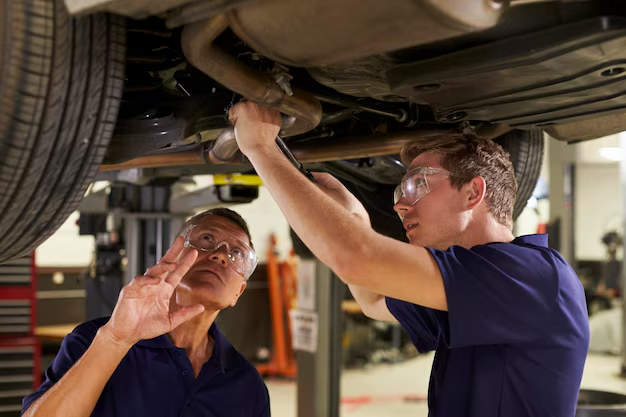
Taking care of your vehicle might seem like a chore, but it’s essential for keeping it running smoothly and efficiently. You may have heard the term “preventative maintenance” tossed around by mechanics or car enthusiasts. But what does it really mean, and why should you care? In this comprehensive guide, we’ll explore the benefits of preventative maintenance and how it can save you time, money, and stress down the road. Whether you’re cruising through Lonoke, AR, or embarking on a cross-country road trip, ensuring your vehicle is in top shape is crucial. What is Preventative Maintenance? Preventative maintenance refers to the regular servicing of your vehicle to prevent potential problems before they occur. This proactive approach can help avoid costly repairs and ensure your car remains safe and reliable. Unlike reactive maintenance, which involves fixing problems after they arise, preventative maintenance focuses on keeping your car running smoothly through regular checkups and routine services. Routine Car Service Routine car service typically includes oil changes, tire rotations, brake inspections, and fluid checks. Each of these components plays a crucial role in the overall health of your vehicle. For instance, regular oil changes keep your engine lubricated, reducing friction and wear. This is akin to how regular exercise maintains our physical health, preventing larger issues down the road. Meanwhile, rotating your tires ensures even wear and extends their lifespan, much like rotating a mattress prevents indentations. Vehicle Checkup A thorough vehicle checkup will assess all major systems, from the engine and transmission to the brakes and suspension. By catching small issues early, you can prevent them from developing into larger, more expensive problems. This comprehensive approach can significantly extend the life of your vehicle. An example of this would be identifying a minor transmission fluid leak during a checkup rather than waiting until the transmission needs a complete rebuild. To avoid these issues, keep track of your vehicle’s maintenance schedule, often found in the owner’s manual, and make a habit of conducting visual inspections yourself, like checking for fluid leaks or unusual tire wear. Benefits of Preventative Maintenance Preventative maintenance offers numerous benefits that go beyond simply avoiding breakdowns. Here’s why it’s a smart investment for every vehicle owner. Improved Safety Safety should always be a top priority when it comes to driving. Regular maintenance helps ensure that critical safety features, such as brakes and tires, are in optimal condition. This can reduce the risk of accidents caused by faulty components. Consider a scenario where a driver neglects brake maintenance only to find themselves unable to stop quickly in heavy traffic—a preventable situation with regular brake checks. Brake Inspections Brake inspections are a vital part of any preventative maintenance routine. Ensuring that your brakes are functioning correctly can prevent accidents, especially in emergency situations. Tire Maintenance Tires are your vehicle’s only contact with the road, so their condition is crucial for safety. Routine tire inspections and rotations help maintain proper traction and reduce the risk of blowouts, which could lead to accidents. By keeping your tires inflated to the correct pressure, you also improve fuel efficiency, saving money on gas over time. Enhanced Performance A well-maintained vehicle performs better, offering a smoother and more enjoyable driving experience. From fuel efficiency to ride comfort, preventative maintenance can enhance various aspects of your vehicle’s performance. Engine Efficiency Regular oil changes and engine tune-ups can improve fuel efficiency, saving you money at the pump. Clean filters and properly functioning spark plugs ensure that your engine runs efficiently and smoothly. For instance, replacing a dirty air filter can improve gas mileage by up to 10%, translating into significant savings over time. Suspension and Steering Maintaining the suspension and steering systems ensures that your vehicle handles well. This leads to a more comfortable and controlled driving experience, especially on long journeys. Imagine heading out on a road trip only to find your vehicle swaying due to worn-out suspension components—a problem easily avoided with routine checks. Cost Savings While preventative maintenance involves an upfront cost, it can save you significant money in the long run by avoiding major repairs and extending the life of your vehicle. Avoiding Major Repairs Small issues, if left unchecked, can lead to major repairs that are both time-consuming and expensive. Regular maintenance helps catch these issues early, preventing costly breakdowns. For example, a small coolant leak, if neglected, could lead to engine overheating and a repair bill exceeding $1,000. Increased Vehicle Lifespan By taking care of your vehicle, you’re investing in its longevity. A well-maintained car can serve you for many years, providing better resale value and reducing the need for a premature replacement. Imagine selling your car and showcasing a meticulous maintenance record to prospective buyers—this can significantly boost the sale price. Seasonal Tips for Vehicle Maintenance Adapting your maintenance routine to the changing seasons can further enhance your vehicle’s performance and safety. Winter Preparation Winter in Lonoke, AR, can bring cold temperatures and icy roads. Preparing your vehicle for winter involves checking antifreeze levels, examining the battery, and switching to winter tires if necessary. A dead battery on a frosty morning isn’t just inconvenient; it can also leave you stranded, so consider investing in a battery check or replacement before winter hits. Summer Readiness The hot summer months can be tough on your car. Ensure your air conditioning system is functioning well, check coolant levels, and inspect the condition of your tires to handle the heat. Keeping your vehicle cool not only maintains comfort but also prevents engine overheating, a common issue during summer. Local References: Finding Reliable Service in Lonoke, AR For residents of Lonoke, AR, finding a reliable mechanic is crucial for maintaining your vehicle. Boomer’s Performance is a trusted name in the area, providing expert preventative maintenance services that keep your car in excellent condition. Choosing the Right Mechanic When selecting a mechanic, look for certifications, customer reviews, and a reputation for honesty and reliability. A good mechanic will provide clear explanations and only recommend necessary services.
How to Know If Your Car Battery Needs Replacing
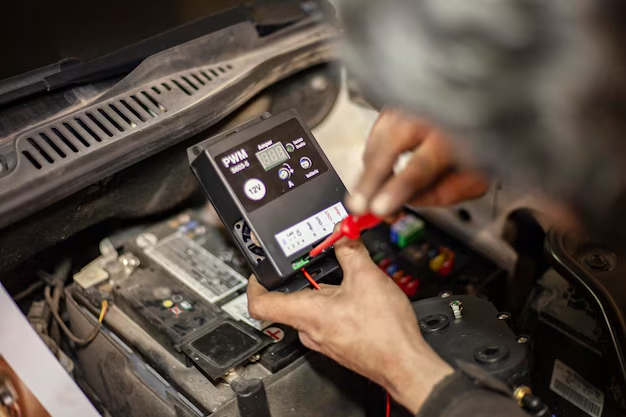
When your car won’t start on a chilly winter morning or after a long day at work, the culprit is often a dead car battery. If you’re based in Lonoke, AR, or anywhere with fluctuating weather, knowing when your battery needs replacing can save you from unnecessary hassle. In this guide, you’ll learn the signs of a failing battery, how to test it, and when it’s time for a replacement. Understanding Your Car Battery’s Role Your car battery is the powerhouse that gets your vehicle moving. It provides the electrical current necessary to start the engine and powers various electronic components in your car. Imagine, after a long day of work, you want nothing more than to get home quickly, but a weak battery keeps you stuck in the parking lot. This scenario underscores why understanding and maintaining your battery is crucial. Functions of a Car Battery A car battery does more than just start your car. It stabilizes voltage to keep your engine running smoothly and supports systems like lights, radio, and air conditioning. For example, if you’re driving at night and your headlights are dim, it can be risky, especially on rural roads around Lonoke. A strong battery ensures your visibility and safety. Battery Lifespan and Factors Affecting It On average, a car battery lasts between three to five years. However, factors like extreme temperatures, frequent short trips, and poor maintenance can significantly reduce its lifespan. In hot climates, evaporation of battery fluid can damage the internal components, while in cold climates, batteries can freeze, making them less efficient. Regular maintenance and understanding these impacts can help prolong your battery’s life. Common Symptoms of a Failing Battery Recognizing the early signs of a dying battery can prevent you from getting stranded. Here are some telltale indicators: Slow Engine Crank When you turn the ignition key, your engine should start without hesitation. A slow crank is a primary sign that your battery is losing its charge. Picture yourself in a rush for an early morning meeting, only to hear the sluggish groan of an engine struggling to start. Addressing this early can save you from stressful mornings. Electrical Issues If your headlights seem dimmer or your power windows are sluggish, it might be due to a weakening battery. Consider the inconvenience of struggling to roll up a window during a sudden downpour because of a weak battery. Addressing these signs promptly can prevent more significant electrical failures. Dashboard Warning Light Most modern cars have a battery warning light on the dashboard. If it lights up, it’s time to pay attention. This light is your car’s way of alerting you to potential issues that could lead to a breakdown if ignored. Testing Your Car Battery Testing your car battery is a straightforward process you can do at home or with a professional. Regular testing can help you catch issues before they escalate and avoid the costs associated with emergency roadside assistance or tows. Using a Multimeter A multimeter is a handy tool for checking your battery’s voltage. A healthy battery should read around 12.6 volts or more. Anything below that indicates a need for further inspection. Investing in a multimeter can save you from costly diagnostic fees at a repair shop. Conducting a Load Test A load test can assess your battery’s ability to hold voltage under a load. This test can be performed at auto repair shops like Boomer’s in Lonoke, AR, ensuring accuracy. Seasonal Considerations for Battery Health Weather plays a crucial role in your battery’s performance. Understanding seasonal impacts can help you maintain its longevity and avoid the inconvenience of a sudden battery failure. Effects of Cold Weather Cold temperatures slow down the chemical reactions in your battery, reducing its capacity. Lonoke winters can be harsh, so consider testing your battery before the cold sets in. Using a battery blanket or parking your car in a garage can mitigate these effects. Summer Heat and Battery Life Heat can cause battery fluid to evaporate, damaging the internal structure. Ensuring proper ventilation and regular checks during summer can prevent unexpected failures. Simple actions like parking in the shade or using a car cover can help maintain your battery’s health. When to Replace Your Car Battery Knowing when it’s time for a new battery can save you from unexpected breakdowns. Here are the key considerations: Age of the Battery If your battery is more than three years old, keep a close eye on its performance. Regular testing can help you decide when it’s time for a replacement, preventing the costs and inconvenience of a mid-journey breakdown. Frequent Jump Starts If you find yourself jump-starting your car more than usual, it’s a clear sign your battery is on its last legs. Frequent jump starts can also strain your car’s electrical system, leading to more expensive repairs. Corrosion and Physical Damage Inspect your battery for corrosion on terminals or any visible damage. These are signs that it’s time for a replacement. Regular cleaning of battery terminals with a mixture of baking soda and water can prevent corrosion and extend battery life. Choosing the Right Replacement Battery Selecting the right battery is crucial for your car’s performance. Here’s how you can make an informed choice: Battery Size and Type Ensure the replacement battery matches your car’s specifications in size, type, and capacity. Check your owner’s manual or consult with experts at Boomer’s for advice. Installing the wrong battery can lead to poor performance and even damage to your car’s electrical system. Brand and Warranty Opt for reputable brands that offer a good warranty. A longer warranty often indicates better quality and reliability, potentially saving you from early replacement costs. Maintaining Your New Car Battery Once you’ve replaced your battery, proper maintenance can enhance its lifespan and performance. Regular Cleaning Keep battery terminals clean and free of corrosion. You can use a mixture of baking soda and water for effective cleaning. This simple practice can prevent power loss and prolong battery life. Routine
Is Your Check Engine Light On? Here’s What It Could Mean
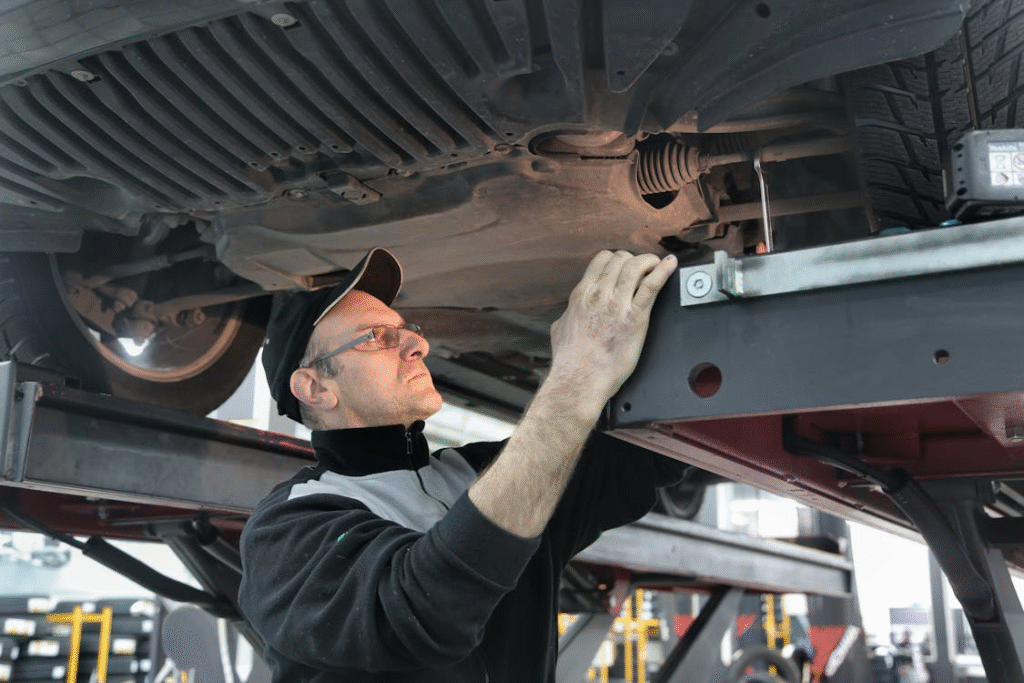
You’re driving around Lonoke when the check engine light suddenly appears on your dashboard. Your mind immediately starts racing—how serious is it, and can you keep driving? Understanding what this warning means and what to do next is essential for every driver. This guide explains the most common reasons your check engine light turns on and the steps you should take to address it. Understanding the Check Engine Light The check engine light is part of your car’s onboard diagnostics system (OBD). Its purpose is to alert you when there’s a potential issue with your engine or emissions system. How It Works Your vehicle’s computer continuously monitors various components using sensors. When it detects something unusual, it records a trouble code and activates the check engine light. These codes can be read using diagnostic tools to identify the specific problem. Common Reasons Your Check Engine Light Is On Loose or Faulty Gas Cap A loose or damaged gas cap is one of the most common causes of a check engine light. It helps maintain fuel system pressure and prevent fuel vapors from escaping. If it isn’t sealed properly, it can trigger the warning light. Replacing a faulty gas cap is simple and inexpensive—typically under $20. Oxygen Sensor Failure The oxygen sensor measures the amount of unburned oxygen in your exhaust. A failing sensor can cause poor fuel economy, rough idling, and increased emissions. Replacing an oxygen sensor usually costs between $100 and $300, including parts and labor. Catalytic Converter Issues The catalytic converter reduces harmful emissions and helps your car run efficiently. If it’s failing, you may notice reduced performance, lower fuel economy, and an illuminated check engine light. Replacing a catalytic converter can cost between $1,000 and $2,500, depending on the vehicle. Diagnosing the Problem Using an OBD-II Scanner An OBD-II scanner reads the diagnostic trouble codes stored in your vehicle’s computer. You can purchase one for home use or visit Boomer’s in Lonoke for professional diagnostics. Interpreting Trouble Codes Each code points to a specific issue. For example, a P0171 code indicates a lean fuel condition, while P0420 suggests a catalytic converter problem. Understanding these codes helps determine the severity of the issue and whether immediate repairs are needed. What to Do When the Check Engine Light Appears Check for Simple Causes Start by inspecting common issues, such as a loose gas cap. If the cap is secure but the light remains on, it’s time to have your vehicle checked by a professional. Schedule a Professional Diagnosis If you can’t identify the problem, bring your car to Boomer’s for expert diagnostics. Our technicians use advanced equipment to locate and resolve the issue quickly, keeping your vehicle safe and reliable. Preventing Future Check Engine Light Problems Keep Up with Regular Maintenance Follow your car’s recommended maintenance schedule, including oil changes, air filter replacements, and system inspections. Routine maintenance helps prevent small issues from becoming major problems. Address Minor Problems Early Don’t ignore early warning signs. Taking care of minor issues promptly can save you time and money in the long run. Seasonal Tips for Lonoke Drivers Winter Maintenance Cold weather can affect your battery, tire pressure, and fluids. Have your battery tested and ensure your tires are properly inflated before temperatures drop. Summer Maintenance High temperatures put extra stress on your cooling system. Check coolant levels regularly and make sure the radiator and cooling fans are functioning properly. When to Seek Professional Help Complex Engine Problems If the check engine light is accompanied by strange noises, rough performance, or stalling, visit Boomer’s for a full inspection. Our team is equipped to handle complex diagnostics and repairs. Persistent Warning Light If the light stays on even after basic troubleshooting, professional attention is essential. Continuing to drive without addressing the issue can cause more serious and costly damage. Trust Boomer’s for Reliable Check Engine Light Service Your check engine light is an important part of your vehicle’s diagnostic system—it’s there to help you prevent serious damage and maintain performance. If you’re in Lonoke and your check engine light is on, visit Boomer’s for a thorough inspection and expert repairs. We’ll make sure your vehicle stays safe, efficient, and road-ready.