Tire Rotation and Alignment: Why They’re Crucial for Safety
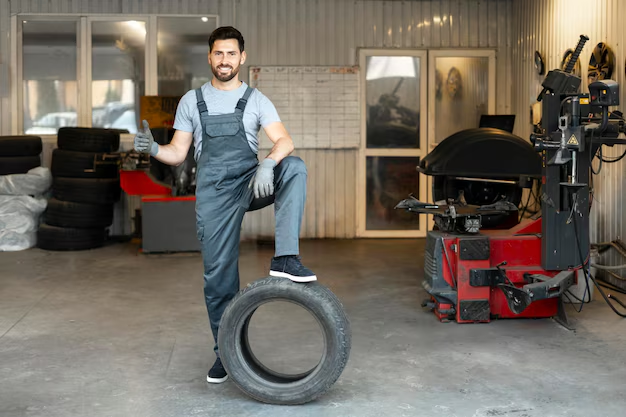
Keeping your car safe and reliable isn’t just about big repairs like engines and transmissions. Often, it comes down to the little things you do to take care of your vehicle on a routine basis. Two of the most important services that every driver should prioritize are tire rotation and wheel alignment. While they might seem like small maintenance tasks, both play a major role in keeping your car safe, comfortable, and efficient on the road. If you’ve ever wondered why your mechanic emphasizes these services or why skipping them could cost you more in the long run, this article breaks it down in a way that’s simple, clear, and practical. Why Tire Rotation Matters Tires don’t all wear at the same rate. Depending on whether your vehicle is front-wheel drive, rear-wheel drive, or all-wheel drive, some tires carry more weight and endure more friction than others. For example, in a front-wheel-drive car, the front tires handle most of the steering and power delivery, so they wear down faster than the rear tires. A tire rotation is the process of moving tires from one position on your car to another. For instance, the front tires may be moved to the back, and the rear tires may be moved to the front, sometimes in a cross-pattern depending on the type of tires. This ensures that wear is evenly distributed across all four tires, which has several important benefits: Improved Safety: Even tire wear means better traction and stability, especially in emergency maneuvers or on wet or icy roads. Extended Tire Life: Rotating your tires regularly can help them last thousands of miles longer, saving you money. Smoother Ride: Uneven tire wear can lead to vibrations and noisy driving. Tire rotations help prevent that. Better Fuel Economy: Tires that wear evenly roll more efficiently, reducing drag and helping you use less fuel. Most experts recommend getting a tire rotation every 5,000 to 7,500 miles, but the exact timing can vary based on your vehicle and driving conditions. What Happens if You Skip Tire Rotations? It’s tempting to put off tire service, especially if your car seems to be running fine. But skipping rotations often leads to problems like: Premature Tire Replacement: You may end up needing new tires sooner than expected. Reduced Handling: Uneven tires affect how your vehicle grips the road, which can increase the risk of losing control. Increased Repair Costs: Uneven wear can stress other parts of your suspension and steering system, leading to expensive repairs. In short, rotations are a small investment that protect you from much bigger expenses. Why Wheel Alignment Is Essential While tire rotation deals with tire position, wheel alignment deals with tire angle. Over time, driving over potholes, curbs, and rough roads can knock your wheels out of alignment. This means they’re no longer pointing in the exact direction intended by the factory specifications. Wheel alignment adjusts the angles of your tires so they make proper contact with the road. The main adjustments made during alignment are: Toe: Whether your tires point inward or outward when viewed from above. Camber: The inward or outward tilt of the tire when viewed from the front. Caster: The angle of the steering axis, which affects straight-line stability. Thrust: Ensures that all four wheels are lined up with the car’s centerline. When alignment is off, your car doesn’t just pull to one side; it also compromises your safety. Signs You Need a Wheel Alignment It isn’t always obvious when your wheels are out of alignment, but there are several warning signs you should look for: Your steering wheel isn’t centered when driving straight. The car pulls to the left or right, even on a flat road. Tires are wearing unevenly, with bald spots on one edge. You notice vibrations or handling feels unstable at higher speeds. Ignoring these signs doesn’t just wear out your tires. It also puts stress on suspension and steering components, which can snowball into much larger problems. The Safety Connection Both tire rotation and wheel alignment directly impact your safety. Properly rotated and aligned tires give you the maximum possible grip on the road, which is especially important in bad weather or when you need to stop suddenly. Even a few feet of difference in stopping distance could mean avoiding a collision. Alignment also helps your vehicle track straight, making it easier to stay in your lane and maintain control. Without it, your car may wander, forcing you to constantly correct the steering, which is tiring and dangerous on long drives. The Efficiency Factor Gas prices are never fun to deal with, which is why every driver wants better fuel economy. Both tire rotation and alignment play a role here too. Tires that are unevenly worn or poorly aligned create drag, which forces your engine to work harder. Keeping everything balanced and straight reduces resistance and helps you get more miles per gallon. How Often Should You Get Tire Rotation and Alignment? Tire Rotation: About every 5,000 to 7,500 miles, or roughly every other oil change. Wheel Alignment: At least once a year, but also after hitting a major pothole, curb, or if you notice the warning signs. If you’re driving in rough conditions regularly, you may need these services more frequently. Checking in with a trusted mechanic is the best way to know what’s right for your car. Why Choose Professional Tire Service in Lonoke, AR When it comes to something as important as your tires, DIY isn’t always the best option. Getting your tire rotation and alignment done by certified technicians ensures precision and accuracy. At Boomer’s Performance, we specialize in professional tire service in Lonoke, AR, using factory-level standards to make sure your car handles exactly the way it was designed to. We don’t just stop at tires either. From engine rebuilds and transmission repairs to suspension fixes and A/C services, we bring dealership-certified expertise and real-world experience to every job. Whether you drive an Audi, GM, Kia, or any
5 Warning Signs Your Car Needs Immediate Repair
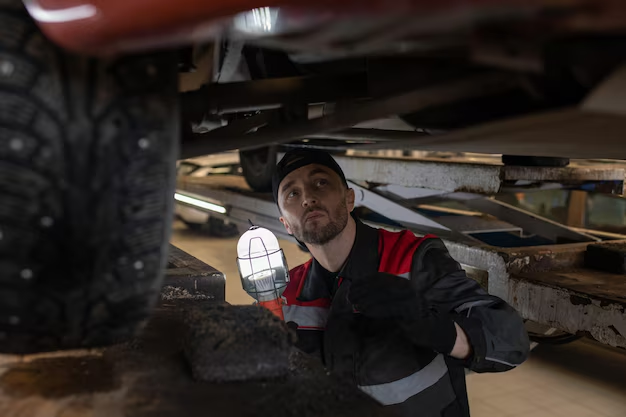
When something feels off with your car, it’s easy to ignore it—especially if the vehicle still starts, drives, and gets you where you need to go. But here’s the truth: small issues can turn into major (and expensive) problems if they’re not addressed early. That squeak, shake, or strange smell might be your car’s way of crying out for help. If you’re a car owner in Lonoke, AR—or anywhere else—being able to spot common car repair signs early can save you time, money, and even prevent a roadside breakdown. Let’s walk through five of the most serious red flags that mean your car needs immediate attention. 1. Unusual Noises Coming from Under the Hood Strange noises are one of the first signs your vehicle might be in trouble. While every car makes some noise, anything out of the ordinary—like grinding, knocking, squealing, or rattling—should raise a red flag. Grinding while braking? You could be dealing with worn brake pads or warped rotors. Knocking sounds from the engine? That might indicate worn engine bearings—a major issue that could lead to total engine failure. Squealing under the hood when starting the car? A loose or worn serpentine belt could be the culprit. Ignoring these sounds is never a good idea. They’re not just annoying—they’re warnings. If your vehicle is making any of these noises, get it checked out by a qualified mechanic before the issue worsens. 2. Warning Lights That Stay On Dashboard warning lights are your car’s built-in early warning system. When these lights come on and stay on, don’t ignore them. Check Engine Light: This could mean anything from a loose gas cap to a failing oxygen sensor or misfiring engine. While some issues are minor, others can seriously affect your vehicle’s performance. Battery Light: A problem with your charging system might be looming, which can leave you stranded without warning. Oil Pressure or Temperature Lights: These are critical. Low oil pressure or overheating can destroy your engine in minutes. If you’re in the Lonoke area and you see a dashboard light that won’t turn off, it’s best to stop searching for online fixes and call a trusted auto repair shop instead. Reliable diagnostics can prevent a minor concern from becoming a major repair. 3. Rough or Sluggish Shifting Is your vehicle hesitating, jerking, or making clunking noises when changing gears? These are strong signs that your transmission needs attention—now. Transmission issues are not something you want to gamble with. Whether you drive an automatic or a manual, healthy shifting is essential to performance and safety. Here are some symptoms to watch out for: Slipping gears Delayed engagement when shifting Burning smells after driving Transmission fluid leaks (usually red or pink) At Boomer’s Performance, our dealership-certified technicians specialize in full transmission rebuilds. We replace worn components, fine-tune gear ratios, and restore the unit to factory-level standards—so you can get back to confident driving without worry. 4. Shaky, Bouncy, or Unstable Ride A smooth, controlled ride is a hallmark of a healthy suspension system. If your car suddenly feels more like a roller coaster—bouncing over bumps, pulling to one side, or leaning during turns—it’s likely your suspension needs immediate attention. Some common suspension red flags include: Uneven tire wear Visible leaking shock absorbers Nose-diving during braking Steering that feels loose or wanders These issues can be caused by worn shocks, struts, or bushings—all of which affect your vehicle’s handling and safety. Poor suspension doesn’t just make your ride uncomfortable; it also reduces braking efficiency and increases the risk of losing control, especially in emergency situations. That’s why our suspension repair service is more than just a comfort upgrade—it’s a safety investment. 5. A/C That’s Blowing Warm Air (Or Not At All) Here in Arkansas, a working air conditioning system is practically a necessity. If your car’s A/C is no longer blowing cold, smells musty, or refuses to work altogether, it’s time to act fast. A failing A/C system can result from: Low refrigerant or leaks A worn-out compressor Blower motor failure Clogged filters or lines While a broken A/C might seem like a “comfort-only” issue, it can actually affect your entire electrical system and even the health of your engine in some vehicles. At Boomer’s Performance, we specialize in comprehensive A/C repairs—restoring airflow, temperature control, and overall climate performance. And trust us, you’ll appreciate a cool cabin once summer hits full force. Bonus Sign: You Just Know Something Isn’t Right Sometimes, you don’t need flashing lights or grinding gears to know your car is struggling. Maybe it’s the way it’s idling differently. Maybe you’re visiting the gas station more often than usual. Or maybe it’s just a gut feeling. Trust that instinct. As the person who drives your car every day, you know how it normally sounds, smells, and feels. If something feels off, chances are—you’re right. This is especially true when it comes to engine performance. Sudden drops in power, rough starts, or poor fuel economy can all point to deeper problems that might require an engine rebuild. At Boomer’s Performance, we take pride in precision rebuilds that restore performance to like-new condition. Why Acting Early Saves You More Than Money The biggest mistake drivers make? Waiting. Every mile you drive with a known issue puts more stress on related components. A simple brake pad replacement today could turn into a full rotor and caliper job next month. What starts as a small A/C leak could destroy the compressor if left unchecked. And a delayed transmission repair could leave you stuck on the side of the road, facing a tow and a major bill. By spotting the signs early and trusting professionals who know your vehicle inside and out, you protect your investment, your safety, and your peace of mind. At Boomer’s Performance, we believe in doing things right the first time. Whether you’re driving a late-model Audi, a dependable Kia, or your trusty daily commuter, we bring dealership-certified precision and independent shop dedication to every repair. Our factory-trained