A/C Blowing Warm Air? Recharge vs Leak Repair vs Compressor (How to Tell Fast)
Nothing kills a summer drive faster than turning on your car’s A/C and feeling a blast of warm air. If your vehicle is not delivering that icy-cold relief, it can turn a simple commute into a sweat-soaked slog. But before you panic and assume the worst, it helps to understand the common causes of car A/C problems and how to distinguish between a quick recharge, a leak repair, or a failing compressor. Knowing what’s going on can save time, money, and unnecessary stress. At Boomer’s Performance & Offroad in Lonoke, AR, we specialize in A/C repair and provide clear guidance so our customers can make informed decisions. Here’s a practical guide to diagnosing A/C issues, understanding your options, and knowing when it’s time to call a professional. Why Your Car A/C Might Be Blowing Warm Air Several factors can lead to a car’s A/C not blowing cold. Some issues are simple and inexpensive to fix, while others require more extensive work. Understanding the potential causes is the first step in troubleshooting. Low Refrigerant Levels Refrigerant, whether R134a or the newer R1234yf, is the lifeblood of your A/C system. It absorbs heat from inside the cabin and transfers it outside. If the refrigerant level is low, your system loses cooling efficiency, and the air coming from the vents will feel warm. Low levels often indicate a small leak, even if it’s not obvious. Refrigerant Leaks Leaks are a common culprit for car A/C blowing warm air. A refrigerant leak test can detect even the smallest leak in hoses, fittings, or the condenser. Left unchecked, leaks will not only reduce cooling but also potentially damage the compressor, leading to more costly repairs. Faulty Compressor The A/C compressor is the heart of your system. It pressurizes and circulates refrigerant through the system. If the compressor is failing, you might hear strange noises, notice inconsistent cooling, or feel that the A/C only works intermittently. Compressor issues are more complex and usually require professional replacement. Other Causes Other reasons your A/C might be underperforming include a malfunctioning expansion valve, clogged condenser, or electrical issues like a blown fuse or faulty relay. While these are less common, a trained technician can quickly identify them during a comprehensive inspection. Recharge vs Leak Repair: How to Know What You Need When your car A/C is not blowing cold, the first question is whether your system simply needs a recharge or if there’s an underlying leak that must be addressed. Signs You Might Just Need a Recharge Air is weak but not completely warm Your system hasn’t been serviced in a few years No visible signs of refrigerant oil residue around connections or hoses If these signs fit your situation, an A/C recharge can restore cooling. A professional will safely remove any remaining old refrigerant, vacuum the system to remove air and moisture, then refill it to factory-specified levels. At Boomer’s Performance & Offroad, our A/C recharge services use the correct refrigerant type for your vehicle, whether R134a or R1234yf. Signs You Likely Need Leak Repair System loses cooling shortly after a recent recharge Oil stains or residue around A/C components Hissing sounds or bubbles detected during a refrigerant leak test Leak repair is critical because topping off refrigerant without addressing leaks is only a temporary fix. Technicians will locate the source, repair or replace damaged components, and then recharge the system. This ensures your A/C works efficiently for the long term and prevents potential compressor damage. Combining Recharge and Leak Repair In many cases, a refrigerant leak repair is followed by a recharge. This dual approach guarantees that your system is fully functional and that the refrigerant circulates properly without loss. Doing both ensures maximum comfort and avoids repeated trips to the shop. Identifying A/C Compressor Symptoms Early Even if your system has the correct refrigerant level and no leaks, a failing compressor can prevent your A/C from cooling effectively. Knowing the symptoms can help you act before damage spreads. Common Compressor Symptoms Loud or unusual noises when the A/C is on Clutch not engaging or spinning inconsistently Air blows intermittently or only warms up during certain driving conditions Frequent system cycling on and off If you notice any of these warning signs, it’s time to have a professional inspect the compressor. Ignoring these symptoms can lead to full compressor failure, which is a far more expensive repair than a simple recharge or leak fix. Why Professional Diagnosis Matters A trained technician can determine if your compressor is truly failing or if symptoms are caused by low refrigerant, electrical issues, or other component failures. At Boomer’s Performance & Offroad, we combine factory-level knowledge with hands-on experience to quickly diagnose problems and recommend the most effective solution. Quick Tips to Check Your A/C Before Visiting a Shop While professional inspection is always the safest route, there are a few things car owners can check to narrow down the problem: Listen for unusual noises: A squealing or grinding sound when the A/C is on may indicate compressor issues. Inspect for leaks: Look for oily residue around hoses, fittings, or the condenser. Check airflow: Weak airflow can suggest a clogged cabin filter, failing blower, or low refrigerant. Test system cycling: Turn on the A/C at different temperatures and speeds to see if cooling is consistent. These checks won’t replace a professional diagnosis but can help you describe the issue more accurately when seeking A/C repair near me. Choosing the Right Refrigerant: R1234yf vs R134a Modern vehicles use different types of refrigerants. R134a has been the standard for many years, but newer vehicles now use R1234yf, which is more environmentally friendly and has lower global warming potential. Using the wrong type can damage your system or reduce efficiency. Always let a certified technician handle refrigerant selection and system service. How to Avoid Future A/C Problems Preventing A/C issues starts with regular maintenance. Here are a few tips: Schedule routine inspections: Annual checks help detect leaks or low refrigerant before cooling fails.
Brake Repair 101: When to Get Them Checked or Replaced
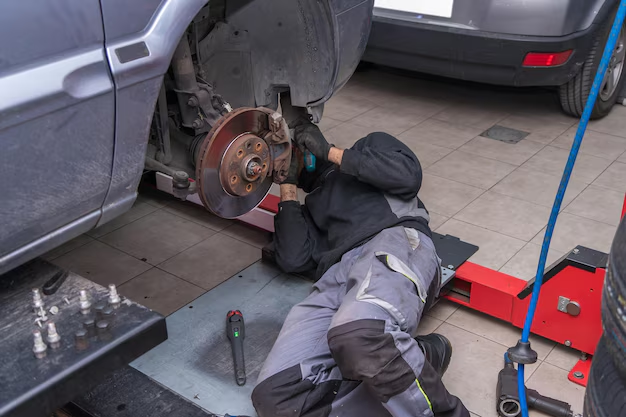
Owning a car is a blend of freedom and responsibility. While the open road calls, maintenance is an essential part of the journey. One of the most crucial aspects of vehicle maintenance is brake repair, especially if you’re navigating the roads of Lonoke, AR. This guide will help you understand when to get your brakes checked or replaced, ensuring safety and peace of mind. Understanding Your Braking System Before diving into brake repair, it’s essential to understand the components that make up your braking system. Familiarity with these parts will help you recognize when something isn’t right. The Basics of Brakes Most vehicles use disc brakes, which consist of a brake rotor, caliper, and pads. When you press the brake pedal, the caliper squeezes the brake pads against the rotor, creating friction that slows down your car. Drum brakes, found in some vehicles, operate similarly but use a drum instead of a rotor. The friction created in this process generates a significant amount of heat. Over time, this heat can cause wear and tear on the brake components. For instance, a family living in a hilly area of Lonoke might find themselves replacing brake components more frequently due to the increased braking required on steep roads. Common Brake Components – Brake Pads: These are the components that press against the rotor or drum to slow the vehicle. They are made of various materials, including ceramic, metallic, and organic compounds, each with its own durability and heat resistance characteristics. – Rotors and Drums: These are the surfaces that the brake pads press against. They can warp under extreme heat, leading to a need for replacement. – Brake Calipers: These house the brake pads and use hydraulic pressure to squeeze them against the rotor. They can seize up if not properly maintained, leading to uneven braking. – Brake Lines and Hoses: These carry brake fluid, enabling the hydraulic pressure that powers the braking system. A leak here can lead to brake failure, a serious safety concern. Signs You Need a Brake Inspection Recognizing the signs of brake wear early can prevent costly repairs and ensure your safety on the road. Here are some indicators that you might need a brake inspection. Squeaky Brakes One of the most common signs that you need a brake inspection is squeaky brakes. This noise often results from worn brake pads. If you hear a high-pitched squeal, it’s time to have a professional check your brakes. For instance, a commuter who travels daily on busy highways might notice this sound during stop-and-go traffic. Reduced Responsiveness If your brakes feel less responsive or you notice the pedal going further to the floor than usual, you might have a brake fluid leak or a problem with the brake lines. Immediate inspection is crucial in such cases. The cost to fix a brake fluid leak can range from $100 to $300, depending on the severity and the mechanic’s rates in your area. Vibrations When Braking Feeling vibrations or pulsations in the brake pedal could indicate warped rotors. This issue often arises from heavy braking or worn brake pads. Imagine you’re driving down a long stretch of road and need to make a sudden stop—such scenarios can lead to rotor warping over time. When to Replace Your Brakes While regular inspections can catch minor issues, there are times when replacement is necessary. Knowing when to replace your brakes is key to maintaining your vehicle’s performance. Thickness of Brake Pads One of the simplest ways to determine if you need new brake pads is by checking their thickness. If the pads are less than a quarter of an inch thick, it’s time for a replacement. This is an easy check that you can perform at home with a simple visual inspection or a ruler. Warning Lights Many modern cars have sensors that trigger a dashboard warning light when your brakes need attention. If this light comes on, schedule a brake repair in Lonoke, AR, at Boomer’s Auto Care. This proactive approach can save you from more expensive repairs down the line. Unusual Noises Grinding noises often indicate that the brake pads are completely worn out, allowing metal to grind on metal. This situation requires immediate replacement to prevent further damage. The cost of ignoring this can be substantial, as metal-on-metal contact can damage the rotors. Seasonal Tips for Brake Maintenance Different seasons can affect your braking system in various ways. Here are some tips to keep your brakes in top condition year-round. Winter Considerations Cold weather can cause brake fluid to thicken, reducing its efficiency. Ensure your brake fluid is in good condition and consider having it replaced if it’s old. Also, road salt used for de-icing can corrode brake components, especially in areas like Lonoke that occasionally experience freezing temperatures. Regular cleaning and inspection can help prevent corrosion. Summer Check-Ups The heat of summer can lead to brake fading, where the brakes lose effectiveness due to overheating. Regular check-ups during the hotter months can prevent this issue. In addition, the expansion of brake components in extreme heat can exacerbate existing problems, so timely inspections are crucial. The Importance of Regular Brake Maintenance Regular maintenance not only extends the life of your brakes but also ensures your safety. Here’s why you should make brake maintenance a priority. Safety First Properly maintained brakes can mean the difference between a close call and an accident. Regular inspections can catch issues before they become dangerous. For example, a routine inspection might reveal a small leak in the brake line that could lead to brake failure if left unaddressed. How Boomer’s Auto Care Can Help At Boomer’s Auto Care in Lonoke, AR, we understand the importance of reliable brakes. Our team is dedicated to providing thorough inspections and expert brake
Benefits of Preventative Maintenance for Your Vehicle
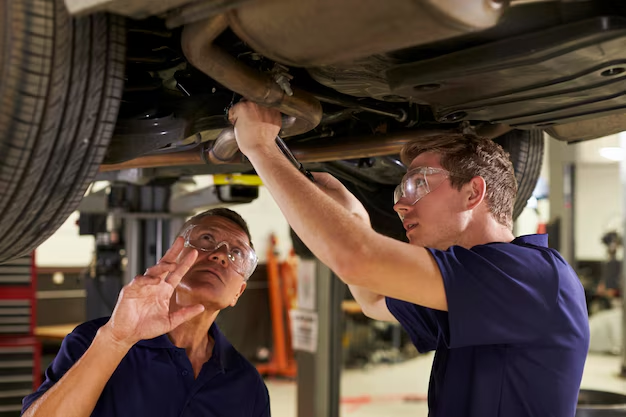
Taking care of your vehicle might seem like a chore, but it’s essential for keeping it running smoothly and efficiently. You may have heard the term “preventative maintenance” tossed around by mechanics or car enthusiasts. But what does it really mean, and why should you care? In this comprehensive guide, we’ll explore the benefits of preventative maintenance and how it can save you time, money, and stress down the road. Whether you’re cruising through Lonoke, AR, or embarking on a cross-country road trip, ensuring your vehicle is in top shape is crucial. What is Preventative Maintenance? Preventative maintenance refers to the regular servicing of your vehicle to prevent potential problems before they occur. This proactive approach can help avoid costly repairs and ensure your car remains safe and reliable. Unlike reactive maintenance, which involves fixing problems after they arise, preventative maintenance focuses on keeping your car running smoothly through regular checkups and routine services. Routine Car Service Routine car service typically includes oil changes, tire rotations, brake inspections, and fluid checks. Each of these components plays a crucial role in the overall health of your vehicle. For instance, regular oil changes keep your engine lubricated, reducing friction and wear. This is akin to how regular exercise maintains our physical health, preventing larger issues down the road. Meanwhile, rotating your tires ensures even wear and extends their lifespan, much like rotating a mattress prevents indentations. Vehicle Checkup A thorough vehicle checkup will assess all major systems, from the engine and transmission to the brakes and suspension. By catching small issues early, you can prevent them from developing into larger, more expensive problems. This comprehensive approach can significantly extend the life of your vehicle. An example of this would be identifying a minor transmission fluid leak during a checkup rather than waiting until the transmission needs a complete rebuild. To avoid these issues, keep track of your vehicle’s maintenance schedule, often found in the owner’s manual, and make a habit of conducting visual inspections yourself, like checking for fluid leaks or unusual tire wear. Benefits of Preventative Maintenance Preventative maintenance offers numerous benefits that go beyond simply avoiding breakdowns. Here’s why it’s a smart investment for every vehicle owner. Improved Safety Safety should always be a top priority when it comes to driving. Regular maintenance helps ensure that critical safety features, such as brakes and tires, are in optimal condition. This can reduce the risk of accidents caused by faulty components. Consider a scenario where a driver neglects brake maintenance only to find themselves unable to stop quickly in heavy traffic—a preventable situation with regular brake checks. Brake Inspections Brake inspections are a vital part of any preventative maintenance routine. Ensuring that your brakes are functioning correctly can prevent accidents, especially in emergency situations. Tire Maintenance Tires are your vehicle’s only contact with the road, so their condition is crucial for safety. Routine tire inspections and rotations help maintain proper traction and reduce the risk of blowouts, which could lead to accidents. By keeping your tires inflated to the correct pressure, you also improve fuel efficiency, saving money on gas over time. Enhanced Performance A well-maintained vehicle performs better, offering a smoother and more enjoyable driving experience. From fuel efficiency to ride comfort, preventative maintenance can enhance various aspects of your vehicle’s performance. Engine Efficiency Regular oil changes and engine tune-ups can improve fuel efficiency, saving you money at the pump. Clean filters and properly functioning spark plugs ensure that your engine runs efficiently and smoothly. For instance, replacing a dirty air filter can improve gas mileage by up to 10%, translating into significant savings over time. Suspension and Steering Maintaining the suspension and steering systems ensures that your vehicle handles well. This leads to a more comfortable and controlled driving experience, especially on long journeys. Imagine heading out on a road trip only to find your vehicle swaying due to worn-out suspension components—a problem easily avoided with routine checks. Cost Savings While preventative maintenance involves an upfront cost, it can save you significant money in the long run by avoiding major repairs and extending the life of your vehicle. Avoiding Major Repairs Small issues, if left unchecked, can lead to major repairs that are both time-consuming and expensive. Regular maintenance helps catch these issues early, preventing costly breakdowns. For example, a small coolant leak, if neglected, could lead to engine overheating and a repair bill exceeding $1,000. Increased Vehicle Lifespan By taking care of your vehicle, you’re investing in its longevity. A well-maintained car can serve you for many years, providing better resale value and reducing the need for a premature replacement. Imagine selling your car and showcasing a meticulous maintenance record to prospective buyers—this can significantly boost the sale price. Seasonal Tips for Vehicle Maintenance Adapting your maintenance routine to the changing seasons can further enhance your vehicle’s performance and safety. Winter Preparation Winter in Lonoke, AR, can bring cold temperatures and icy roads. Preparing your vehicle for winter involves checking antifreeze levels, examining the battery, and switching to winter tires if necessary. A dead battery on a frosty morning isn’t just inconvenient; it can also leave you stranded, so consider investing in a battery check or replacement before winter hits. Summer Readiness The hot summer months can be tough on your car. Ensure your air conditioning system is functioning well, check coolant levels, and inspect the condition of your tires to handle the heat. Keeping your vehicle cool not only maintains comfort but also prevents engine overheating, a common issue during summer. Local References: Finding Reliable Service in Lonoke, AR For residents of Lonoke, AR, finding a reliable mechanic is crucial for maintaining your vehicle. Boomer’s Performance is a trusted name in the area, providing expert preventative maintenance services that keep your car in excellent condition. Choosing the Right Mechanic When selecting a mechanic, look for certifications, customer reviews, and a reputation for honesty and reliability. A good mechanic will provide clear explanations and only recommend necessary services.
How to Know If Your Car Battery Needs Replacing
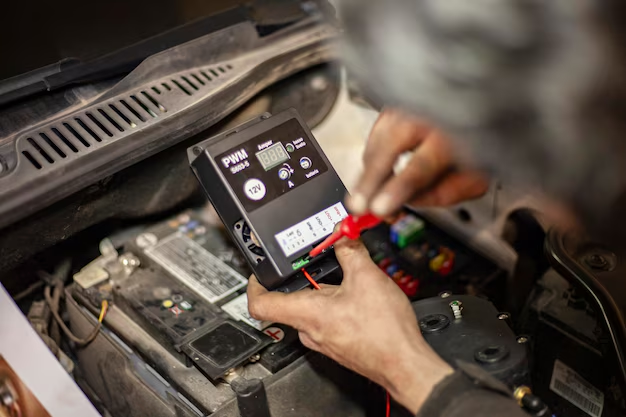
When your car won’t start on a chilly winter morning or after a long day at work, the culprit is often a dead car battery. If you’re based in Lonoke, AR, or anywhere with fluctuating weather, knowing when your battery needs replacing can save you from unnecessary hassle. In this guide, you’ll learn the signs of a failing battery, how to test it, and when it’s time for a replacement. Understanding Your Car Battery’s Role Your car battery is the powerhouse that gets your vehicle moving. It provides the electrical current necessary to start the engine and powers various electronic components in your car. Imagine, after a long day of work, you want nothing more than to get home quickly, but a weak battery keeps you stuck in the parking lot. This scenario underscores why understanding and maintaining your battery is crucial. Functions of a Car Battery A car battery does more than just start your car. It stabilizes voltage to keep your engine running smoothly and supports systems like lights, radio, and air conditioning. For example, if you’re driving at night and your headlights are dim, it can be risky, especially on rural roads around Lonoke. A strong battery ensures your visibility and safety. Battery Lifespan and Factors Affecting It On average, a car battery lasts between three to five years. However, factors like extreme temperatures, frequent short trips, and poor maintenance can significantly reduce its lifespan. In hot climates, evaporation of battery fluid can damage the internal components, while in cold climates, batteries can freeze, making them less efficient. Regular maintenance and understanding these impacts can help prolong your battery’s life. Common Symptoms of a Failing Battery Recognizing the early signs of a dying battery can prevent you from getting stranded. Here are some telltale indicators: Slow Engine Crank When you turn the ignition key, your engine should start without hesitation. A slow crank is a primary sign that your battery is losing its charge. Picture yourself in a rush for an early morning meeting, only to hear the sluggish groan of an engine struggling to start. Addressing this early can save you from stressful mornings. Electrical Issues If your headlights seem dimmer or your power windows are sluggish, it might be due to a weakening battery. Consider the inconvenience of struggling to roll up a window during a sudden downpour because of a weak battery. Addressing these signs promptly can prevent more significant electrical failures. Dashboard Warning Light Most modern cars have a battery warning light on the dashboard. If it lights up, it’s time to pay attention. This light is your car’s way of alerting you to potential issues that could lead to a breakdown if ignored. Testing Your Car Battery Testing your car battery is a straightforward process you can do at home or with a professional. Regular testing can help you catch issues before they escalate and avoid the costs associated with emergency roadside assistance or tows. Using a Multimeter A multimeter is a handy tool for checking your battery’s voltage. A healthy battery should read around 12.6 volts or more. Anything below that indicates a need for further inspection. Investing in a multimeter can save you from costly diagnostic fees at a repair shop. Conducting a Load Test A load test can assess your battery’s ability to hold voltage under a load. This test can be performed at auto repair shops like Boomer’s in Lonoke, AR, ensuring accuracy. Seasonal Considerations for Battery Health Weather plays a crucial role in your battery’s performance. Understanding seasonal impacts can help you maintain its longevity and avoid the inconvenience of a sudden battery failure. Effects of Cold Weather Cold temperatures slow down the chemical reactions in your battery, reducing its capacity. Lonoke winters can be harsh, so consider testing your battery before the cold sets in. Using a battery blanket or parking your car in a garage can mitigate these effects. Summer Heat and Battery Life Heat can cause battery fluid to evaporate, damaging the internal structure. Ensuring proper ventilation and regular checks during summer can prevent unexpected failures. Simple actions like parking in the shade or using a car cover can help maintain your battery’s health. When to Replace Your Car Battery Knowing when it’s time for a new battery can save you from unexpected breakdowns. Here are the key considerations: Age of the Battery If your battery is more than three years old, keep a close eye on its performance. Regular testing can help you decide when it’s time for a replacement, preventing the costs and inconvenience of a mid-journey breakdown. Frequent Jump Starts If you find yourself jump-starting your car more than usual, it’s a clear sign your battery is on its last legs. Frequent jump starts can also strain your car’s electrical system, leading to more expensive repairs. Corrosion and Physical Damage Inspect your battery for corrosion on terminals or any visible damage. These are signs that it’s time for a replacement. Regular cleaning of battery terminals with a mixture of baking soda and water can prevent corrosion and extend battery life. Choosing the Right Replacement Battery Selecting the right battery is crucial for your car’s performance. Here’s how you can make an informed choice: Battery Size and Type Ensure the replacement battery matches your car’s specifications in size, type, and capacity. Check your owner’s manual or consult with experts at Boomer’s for advice. Installing the wrong battery can lead to poor performance and even damage to your car’s electrical system. Brand and Warranty Opt for reputable brands that offer a good warranty. A longer warranty often indicates better quality and reliability, potentially saving you from early replacement costs. Maintaining Your New Car Battery Once you’ve replaced your battery, proper maintenance can enhance its lifespan and performance. Regular Cleaning Keep battery terminals clean and free of corrosion. You can use a mixture of baking soda and water for effective cleaning. This simple practice can prevent power loss and prolong battery life. Routine